Top videos

مخيم صانعو الأمل
متعة وفرح مع 50 من الأبناء المتميزين من الأيتام
اشتمل المخيم على قيم تربوية وقيادية ودينية
بالإضافة إلى التدريب الممتع مع الدكتور حمزة الحمزاوي
وألعاب وتسلق وركوب الخيل والسباحة
حقاً كان مخيماً أكثر من رائع
شكرا لكل من ساهم في هذا النجاح
#جمعية_الشام_في_اسطنبول

ضمن برنامج نحو يتيم مميز الذي يقام في جمعية الشام للأيتام
من أجل نشر الوعي ودعم الأمهات ومساندتهن في التربية والتعليم.

اسطنبول

ما أجمل البراءة حين تغني للطهر

بالعلم نحميهم ويرسمون طريق مستقبلهم


تجري جمعية الشام لرعاية وكفالة الأيتام في عموم سوريا فرع الرقة مسابقة رسم للاطفال الايتام للتعبير عن مشاعرهم تجاه اخوانهم المحاصرين

تتوجه جمعية الشام لرعاية وكفالة الأيتام في عموم سوريا بالشكر والدعاء لجمعية خليلي التركية على ما قدمته من البسة وكساء لأيتام سوريا والله الموفق

ضمن برنامج تربوي متكامل تقدمه جمعية الشام للأيتام بمتابعة وعي للتعليم والتدريب
يهدف إلى تعزيز مهارات المعلمين والمربين.
ومساندة الجهود التربوية في الشمال السوري.
والعمل على تنويع الثقافة التربوية والاستفادة من خبرات المربين

نشرة بريدية منّي عبدالرحمن أبومالح ومن فريق فنجان، لجمهور البودكاست المقربين. https://thmanyah.link/c9e00f
تُعد الصحة النفسية من المواضيع المهمة جدًّا لي وللكثيرين، وأجد أنّ أحد أهم مقوّمات الصحة النفسية العلاقاتُ الإنسانيةُ.
وللحديث أكثر عنها، استضفت ياسر الحزيمي، مدرّب معتمد ذو خبرة في تقديم الدورات والمحاضرات في مجال «تطوير العلاقات ومهارات الاتصال».
يقول الحزيمي: «العلاقات لازم تدخلها معك سيف وغمد ودرع.» مشيرًا إلى أن الإنسان ينبغي أن يحقّق التوازن في علاقاته، دون زيادة في لطف يكسره أو عنف يبعد الآخرين عنه.
ثمّ حدّثني عن أهم أركان العلاقات الإنسانية، فما تعامُلنا مع الآخرين سوى انعكاس لعلاقتنا مع الله، وكذلك علاقتنا بأنفسنا. كما ذكر لي الشكل الصحيح للعلاقات، فينبغي للشخص ألا يُظهِر نفسه بهيئة بعيدة عن حقيقته، ويؤكد أن ذلك من الأسباب التي تؤدي إلى الحزن والاكتئاب.
كما سألته عن حبّ الذات، والفرق بينه وبين الغرور. ثمّ انتقلت في حديثي معه إلى الفردانية وانحسار العائلة، والعلاقات الإنسانية في ظل وسائل التواصل الاجتماعي. واختتمنا الحلقة بالحديث عن العلاقة بين الجنسين في الزواج أو بيئات العمل في ظل تغيُّر المجتمع.
اقترح ضيفًا أو موضوعًا ترغب بسماعه في فنجان: https://thmanyah.link/37a0c7
الحلقة 277 من بودكاست فنجان مع ياسر الحزيمي. بوسعك الاستماع إلى الحلقة من خلال منصات البودكاست على الهاتف المحمول. نرشّح الاستماع إلى البودكاست عبر تطبيق (Apple Podcasts) على الآيفون، وتطبيق (Google Podcasts) على الأندرويد.
ويهمنا معرفة رأيك عن الحلقات، وتقييمك للبودكاست على (Apple Podcast).
ليصلك جديد ثمانية، اشترك في نشراتنا البريدية من هنا https://thmanyah.com/newsletters
تطبيق سوم لبيع وشراء الأجهزة الإلكترونية المستعملة:
https://thmanyah.link/wsg
سواء أكنت من عشّاق القهوة بتحضير صنّاعها المحترفين أم تفضّل تحضيرها في المنزل. نشْرُف بإثرائك في عالم القهوة المختصة، ابدأ بخطوة: https://thmanyah.link/9y3 وشاركنا تجربتك عبر منصاتنا التفاعلية.
مواضيع الحلقة:
00:00 البداية
05:06 سبب اختياره مجال العلاقات
15:39 أركان العلاقات
26:30 علاقة الإنسان بذاته
47:56 لماذا تحب نفسك؟
56:42 علاقات الإنسان المعاصر
2:05:20 أقسام العلاقات
2:13:30 العلاقة بالجنس الآخر في العمل
2:31:15 العلاقات المرضية وعلاجها
2:55:09 ما رقمك الاجتماعي؟
الروابط:
سلسلة أفلام جينوم.
https://youtube.com/playlist?l....ist=PLw7AlJ_kkc7AvfC
الصحة النفسية في بيئة العمل — حلقة هاجر القايدي
https://thmanyah.com/podcasts/fnjan/271/
كيف أصبحنا جيلًا هشًّا نفسيًّا — حلقة عبدالله السبيعي
https://thmanyah.com/podcasts/fnjan/228/
أزمة الوجود البشري في القرن الحادي والعشرين — حلقة همّام يحيى
https://thmanyah.com/podcasts/fnjan/121/
موقع ثمانية: https://thmanyah.link/fa44da
إذاعة ثمانية: https://thmanyah.link/af2741
ثمانية على تويتر: https://twitter.com/thmanyah
ثمانية على إنستقرام: https://www.instagram.com/thmanyah/
ثمانية على تك توك: https://www.tiktok.com/@thmanyah
ثمانية على فيسبوك: https://www.facebook.com/Thmanyah.Official

تطبيق جاهز : https://jahez.link/5bqhqAcAQHb
لا تنسون تستخدون كود : SXB1 وعليكم بالعافيه 😍
الشروط والاحكام
- استخدام مره واحد
- كاش باك 20% بحد اقصى ٢٠ ريال
- العرض لفتره محدودة
حسابات الشيخ ياسر :
منصة اكس (تويتر):
www.twitter.com/Yasserlhozaimey
سناب شات:
www.snapchat.com/add/ybh100
انستقرام:
www.instagram.com/ybh_100
تيك توك:
www.tiktok.com/@ybh1000
00:00 البداية
04:56 علاقات الانسان العامه
19:36 تطوير الذات
28:40 العلاقات مع الاقارب
33:45 العلاقه مع الوطن
39:36 العلاقه مع الزمان
50:38 كيف ترتّب وقتك
54:10 مشاكل صناع المحتوى
01:06:36 تاثير المجتمع على صناعة المحتوى
01:09:11 تعامل صانع المحتوى مع التعليقات
01:14:33 تجربه العامل مع التعليقات
01:17:28 تجربه ايصال الافكار
01:20:26 مشكله الرياء مع صانع المحتوى
01:31:16 المشاهدات والخير
01:37:56 تجربه فوائد النشر واضرارها
01:43:15 المقارنات في مجال صناعه المحتوى
01:49:18 تجربه الافكار في صناعه المحتوى
01:51:15 امثله على التسرع في التفكير
01:58:22 المقارنات بين الاشخاص
02:00:12 نصائح لصناع المحتوى
02:13:58 علاقه الشخص مع امه وابيه
02:29:33 النهايه
رابط المتجر لطلب الملابس 😁💙: https://powrstore.com/SXB
البث المباشر :https://kick.com/sxb
item shop cod : SXB
Persnol Email : shongx2xbong@hotmail.com
Ads Email : SXB@pwr.gg
رابط ديسكورد شونق : https://discord.gg/sxb
-
مونتاج:
https://youtu.be/kyx3vnd-HeU
سناب :
shongxbong_yt
-
snap :https://www.snapchat.com/add/a7med.mq
-انستا:
https://www.instagram.com/shongxbong/
توتر:
https://twitter.com/shongxbongyt

لا تستشير أي إنسان ان لم تجد فيه هذه الصفات/الدكتور ياسر الحزيمي
#العلاقات_ياسر_الحزيمي
#تطوير_الذات
#انواع_العلاقات_ياسر_الحزيمي
#بودكاست_فنجان

نقدم لكم هذه الدرس من قناة كيان ●
﴿ لَا إِلَٰهَ إِلَّا اللّٰهُ مُحَمَّدٌ رَسُولُ اللّٰهِ ﴾
● اللهم صلي على سيدنا محمد وعلى اله وصحبه وسلم ●
كلمات مفتاحية يمكنك العودة بها للفيديو مرة اخري ان شاء الله :
----------------------------------------------------------------
---------------------------
ياسر الحزيمي,ام ياسر الحزيمي,الحزيمي ياسر,قصة ياسر الحزيمي,دورة ياسر الحزيمي,التخصص ياسر الحزيمي,الف خطوة ياسر الحزيمي,روائع ياسر الحزيمي,الزواج ياسر الحزيمي,الدكتور ياسر الحزيمي,ياسر الحزيمي العلاقات,ياسر الحزيمي برودكاست,ياسر الحزيمى,ياسر الحزيمي حكمة,تخصصات ياسر الحزيمي,ياسر الحزيمي التعلق,الحزيمي,دكتور ياسر الحزيمي,ياسر الحزيمي فنجان,الهيبة ياسر الحزيمي,ياسر الحزيمي الزواج,بودكاست ياسر الحزيمي,ياسر,فن الكلام ياسر الحزيمي,ياسر الحزيمي,ياسر الحزيمي العلاقات,الدكتور ياسر الحزيمي,ياسر الحزيمي الشخصية,ياسر حزيمي,فنجان ياسر الحزيمي,ياسر الحزيمي كيف تنجح العلاقات,ام ياسر الحزيمي,روائع ياسر الحزيمي,الحزيمي ياسر,قصة ياسر الحزيمي,ياسر الحزيمي 277,ياسر الحزيمي حكمة,دورة ياسر الحزيمي,ياسر الحزيمي الحب,ياسر الحزيمي 2022,ياسر الحزيمي 2024,الشيخ ياسر الحزيمي,شورتس ياسر الحزيمي,ياسر الحزيمى,ياسر الحزيمي التعلق,الزواج ياسر الحزيمي,تخصصات ياسر الحزيمي,التخصص ياسر الحزيمي,ياسر الحزيمي,ياسر الحزيمي العلاقات,ياسر حزيمي,ياسر الحزيمي الشخصية,ياسر الحزيمي كيف تنجح العلاقات,الدكتور ياسر الحزيمي,ياسر الحزيمي بودكاست,الشيخ ياسر الدوسرى,الحزيمي,ام ياسر الحزيمي,الحزيمي ياسر,قصة ياسر الحزيمي,ياسر الحزيمي الحب,ياسر الحزيمي حكمة,دورة ياسر الحزيمي,فنجان ياسر الحزيمي,دكتور ياسر الحزيمي,ياسر الحزيمى,ياسر الحزيمي التعلق,ياسر الحزيمي المرأة,تخصصات ياسر الحزيمي,التخصص ياسر الحزيمي,الف خطوة ياسر الحزيمي,ياسر الحزيمي الاكتئاب

تتناول هذه المحاضرة :
أقسام الأسر من ناحية تحميل المسؤولية للأبناء
المحاور :
البداية 0:00
الفكرة في النُضج ،الرُشد والاستقلال 0:06
تعريف المُراهقة 0:45
الأُسر تنقسم إلى أربعة أقسام في التعامل مع الأبناء 02:50
يوجد ثلاث أنواع من الأمهات 08:38
مُشكلة جَلد الذات 14:24
فَلسَفة التَمَيز 22:58
من أين يأتي جَلد الذات؟ 26:11
المُقارنات 27:57
لماذا الناس يجلُدون ذَواتهم ؟ 36:18
المعايير من صُنع البشر 38:36
الانسان الحَساس والانسان الغضوب42:56
أثر توكيد الذات على الحياة 44:57
العلاقات ثلاثة أنواع 45:52
ثقافة المشاعر داخل الأُسرة 48:46
العلاقات السطحية والعلاقات العميقة 49:32
الدور المثالي للمُربي تجاه المُتربي من حيث توزيع المسؤولية 58:35
ملخص عن المعايير وجَلد الذات 1:00:12
تطبيق الحق 1:01:06
قضية التغيير 1:03:50
ثقافة المشاعر في الأُسر 1:08:03
أمثلة عن ثقافة المشاعر 1:17:05
حرب الشعور 1:19:02
عطش المشاعر و توسل المشاعر 1:24:52
________________________
والاطلاع على تفريغ الحلقات مكتوبة على هذا الرابط 👇
https://t.me/qhadyyy
ـــــــــــــــــــــ
حساب تويتر
https://twitter.com/Alhozimey
ــــــــــــــــــــــــ
لتحميل كتاب الشخصية القوية زوروا قناة التلجرام
https://t.me/Alhozimey

في هذا الجزء سنتعرف سويًا على تأثير توكيد الذات على العلاقات الزوجية وأثر الكتمان على العلاقات
المحاور :
البداية 0:00
مشكلة ضعف توكيد الذات في المشاعر بالنسبة للعلاقات الزوجية 0:08
أربعة علامات تحذيرية على طريق العلاقات 0:29
خزان الحُب في داخل قلوبنا 7:56
متى يكون التغافل صحي في العلاقات؟ ومتى يكون سيئاً؟ 13:16
الانسان الذي لا يؤكد ذاته يدخل في عجلة الأدوار الطاحنة 21:24
أمثلة مختلف عن عجلة الأدوار الطاحنة في الأُسرة 26:53
كُتيب التشغيل 39:48
قاعدة الحقوق والحدود 41:08
قاعدة الغمد والسيف 48:02
تعريف علم نفس الاجتماع 50:56
ما هو القصد في توكيد ذواتنا ؟53:16
أربعة أنواع للناس في توكيد الذات والمطالبة بالحقوق 57:13
أمثلة عن أنواع الناس في توكيد الذات 1:06:36
الأصل في أنواع الناس في توكيد الذات والمطالبة بالحقوق 1:12:38
متلازمة كلمة" نعم " 1:15:01
نعم لكلمة" لا " 1:15:28
الناس في قولهم " لا " يتدرجون على ستة مراحل 1:19:07
الطريقة الحقيقية في إنزال الناس منازلها 1:29:15
كيفية تصعيد التوكيد 1:37:29
صورة عن توكيد الذات 1:42:54
صور عن تقبل الذات 1:44:10
دراسة أمريكية 1:52:06
________________________
والاطلاع على تفريغ الحلقات مكتوبة على هذا الرابط 👇
https://t.me/qhadyyy
ـــــــــــــــــــــــ
حساب تويتر
https://twitter.com/Alhozimey
ــــــــــــــــــــــــ
لتحميل كتاب الشخصية القوية زوروا قناة التلجرام
https://t.me/Alhozimey

تكلم وإلا سيحتقرك الناس مع الدكتور ياسر الحزيمي
#ياسر_الحزيمي #فيديو _مؤثر#اكسبلور #الرياض
----
ياسر الحزيمي
,ياسر الحزيمي العلاقات,
ياسر الحزيمي الشخصية القوية,
ياسر الحزيمي كيف تنجح العلاقات
,تطوير الذات
,ياسر الحزيمي بودكاست
,ياسر الحزيمي كتب
,الطريق إلى النجاح
,طور نفسك,
طور مهاراتك في التواصل,
فنجان بودكاست
,فنجان ياسر الحزيمي,
ادارة العلاقات
,نصائح عن الحياه
,ضبط النفس
,كيف تنجح العلاقات
,تعلم فن الرد,
كيف تجعل أي شخص يتعلق بك
,ياسر الحزيمي بودكاست فنجان,
ياسر الحزيمي بودكاست خطوة
,ياسر الحزيمي بودكاست وفي انفسكم


#الاكتئاب
بودكاست | وفي أنفسكم | سلسلة نفسية نبدؤها بمرض (الاكتئاب)
ما أسبابه؟ وأعراضه؟ ومدى انتشاره؟ وهل للوراثة تأثير فيه؟ وكيف نتعامل مع المصاب به؟
#وفي_أنفسكم مع استشاري الطب النفسي د.أنس ابن عوف وياسر الحزيمي
------------------
0:00برومو
01:09البداية
02:11الطب النفسي والمعالجة النفسية
04:53تبدأ مع الطبيب أم المعالج النفسي؟
07:10ما الفرق بين الأعراض والأمراض؟
09:20ماهو الاضطراب؟
10:41ماهو تعريف الاكتئاب؟
13:50أعراض الاكتئاب
20:47هل يفكر مريض الاكتئاب بالانتحار؟
22:23هل يوجد عمر معين للاكتئاب ؟
23:40كم مدة نوبة الاكتئاب؟
25:14هل تتكر نوبة الاكتئاب؟
26:20مامدي انتشار الاكتئاب؟
27:40متى أشك أن ابني مريض اكتئاب؟
30:09موضة ادعاء الاكتئاب
32:00عوامل تسبب وتزيد من الاكتئاب
40:30الاكتئاب الموسمي
42:45الاكتئاب والظروف المالية
43:22هل المتدين يصاب بالأمراض النفسية؟
45:55الأمراض الروحية
47:10ماهي علاقة الاكتئاب بالأمراض الأخرى؟
49:09ماذا يحصل لو ترك الاكتئاب بدون علاج؟
51:40هل مريض الاكتئاب يضر غيره؟
52:30 هل ممكن أن يفقد الاهتمام الشخصي؟
54:00 كيف نتعامل مع عدم تقدير المريض لذاته؟
56:10 كيف يتعامل الأهل مع مريض الاكتئاب؟
57:50 عدم الاستجابة للانتظام بالعلاج
59:04 متى يجب على الأهل التدخل لمعالجة المريض
01:00:11 إشارات تدل على الرغبة في الانتحار
01:01:22 العلاج الدوائي
01:06:15 هل رأيت مرضى تحسنوا بشكل واضح؟
01:06:32هل تسبب الأدوية إدمان؟
01:06:55 مضادات الاكتئاب وسرعة القذف
01:09:27 هل يوجد فحوصات قبل الطبيب النفسي؟
01:10:45 ماذا تنصح أهل مريض الاكتئاب؟
01:13:40 الختام
----------------------------
للاطلاع أو تحميل التفريغ النصي للحلقة على قناتنا في
التلجرام من هذا الرابط👇
https://t.me/namatalhayat1/487
ــــــــــــــــــــــــ
أبل بودكاست
https://apple.co/3J0F2fH
ساوند كلاود
https://bit.ly/3PwWQ4w
ـــــــــــــــــــــــــــــــــــــــــــــــــــــــــــــــــــــــــــــــــــــــــــــــــ
نسعدُ بمتابعتكم عَبر المنصات:
تويتر:
https://twitter.com/khotwaah
اليوتيوب
https://youtube.com/@khotwah
فيسبوك:
https://facebook.com/khotwaah
انستاجرام:
https://instagram.com/khotwah_khotwah
تلجرام:
https://t.me/khotwaah
لينكدان:
https://linkedin.com/company/khotwah
بينترست:
https://pinterest.com/khotwaah/_created
سوندكلاود:
https://soundcloud.com/khotwah
ابل بودكاست:
https://podcasts.apple.com/tr/....channel/khotwah-%D8%
سناب شات:
https://snapchat.com/add/khotwah
تيكتوك:
https://tiktok.com/@khotwaah
الاشتراك بخدمة واتساب:
https://wa.me/message/P6UDOZZX45ABP1
البريد الالكتروني:
info@khotwah.net
موقعنا الرسمي:
https://www.khotwah.net
___
ولمتابعة المَزيد حول نمط الحياة الصحية؛ نتشرف بمتابعتكم لـ || نمط الحياة || ✨
عَبر المنصات:
تويتر:
https://twitter.com/Namat_alhayat
فيسبوك:
https://facebook.com/Namatalhayat
إنستقرام:
https://instagram.com/namat_alhayat
قناة التلجرام:
https://t.me/namatalhayat1

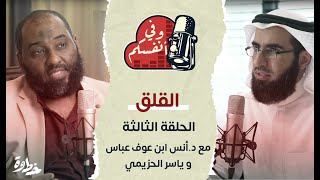
نتحدث في لقاء هذه الحلقة عن #القلق بدءًا من تعريفه، وأعراضه، وأسبابه، ومتى يصبح القلق مرضًا؟ ومن ثَمَّ نتحدَّث عن أول أنواع اضطرابات القلق، وهو القلق العام، فما هي أعراضه؟ وما كيفيَّة العلاج منه؟
#وفي_أنفسكم مع استشاري الطب النفسي د. أنس بن عوف وياسر الحزيمي
------------------
0:00 البرومو
1:10 البداية
1:34 ما هي شجرة الأمراض النفسيَّة؟
2:44 ماذا يُقصَد بالقلق؟ وهل هو داء العصر؟ وما هي أنواعه؟
10:17 كيف أعرف أن ما لدَيَّ أو ما لدَى الآخر قلق؟
13:00 ما هي الأعراض السلوكيَّة لمرضى القلق؟
14:07 هل يمكن أن يظهر القلق بمظاهر لا تدلُّ عليه؟
20:57 كيف نستطيع التفريق بين الصفات الشخصيَّة والقلق المُعَمَّم؟
24:56 الأعراض في القلق العام هل لها بداية أو نهاية؟ وكم تستمر؟
28:08 هل يُؤثِّر القلق على الجنس؟
32:29 ما هي مضارُّ عدم الذهاب إلى الطبيب والتَّأخُّر في العلاج؟
34:42 هل القلق وراثي؟
43:20 القولون وعلاقته بالقلق.
48:15 متى يجب على المريض الذهاب إلى الطبيب؟
48:50 هل للربو علاقة بالأمراض النفسيَّة؟
52:39 ماذا لو ترك المريضُ نفسَه بلا علاج؟
55:07 هل يوجد حالات شُفِيت بعد العلاج؟
1:06:31 ما الذي لا يجب أن تخفيَه عن طبيبك؟
1:09:36 الختام.
----------------------------
ــــــــــــــــــــــــ
أبل بودكاست
hhttp://bit.ly/4b40wVN
ساوند كلاود
http://bit.ly/4b40wVN
--------------
نسعدُ بمتابعتكم عَبر المنصات:
تويتر:
https://twitter.com/khotwaah
اليوتيوب
https://youtube.com/@khotwah
فيسبوك:
https://facebook.com/khotwaah
انستاجرام:
https://instagram.com/khotwah_khotwah
تلجرام:
https://t.me/khotwaah
لينكدان:
https://linkedin.com/company/khotwah
بينترست:
https://pinterest.com/khotwaah/_created
سوندكلاود:
https://soundcloud.com/khotwah
ابل بودكاست:
https://podcasts.apple.com/tr/....channel/khotwah-%D8%
سناب شات:
https://snapchat.com/add/khotwah
تيكتوك:
https://tiktok.com/@khotwaah
الاشتراك بخدمة واتساب:
https://wa.me/message/P6UDOZZX45ABP1
البريد الالكتروني:
info@khotwah.net
موقعنا الرسمي:
https://www.khotwah.net
___
ولمتابعة المَزيد حول نمط الحياة الصحية؛ نتشرف بمتابعتكم لـ || نمط الحياة || ✨
عَبر المنصات:
تويتر:
https://twitter.com/Namat_alhayat
فيسبوك:
https://facebook.com/Namatalhayat
إنستقرام:
https://instagram.com/namat_alhayat
قناة التلجرام:
https://t.me/namatalhayat1

نقدم لكم هذه الدرس من قناة قوة العقل ●
﴿ لَا إِلَٰهَ إِلَّا اللّٰهُ مُحَمَّدٌ رَسُولُ اللّٰهِ ﴾
● اللهم صلي على سيدنا محمد وعلى اله وصحبه وسلم ●
----------------------------------------------------------------
◄ تنويه إذا رأيت مقطع إعلاني يخالف الدين الإسلامي أغلق الفيديو وعاود تصفحه من جديد
◄ نرجوا مشاركة الفيديوهات ليستفيد منها الجميع
----------------------------------------------------------------
كلمات مفتاحية يمكنك العودة بها للفيديو مرة اخري ان شاء الله :
----------------------------------------------------------------
ياسر الحزيمي,ام ياسر الحزيمي,الحزيمي ياسر,قصة ياسر الحزيمي,دورة ياسر الحزيمي,التخصص ياسر الحزيمي,الف خطوة ياسر الحزيمي,روائع ياسر الحزيمي,الزواج ياسر الحزيمي,الدكتور ياسر الحزيمي,ياسر الحزيمي العلاقات,ياسر الحزيمي برودكاست,ياسر الحزيمى,ياسر الحزيمي حكمة,تخصصات ياسر الحزيمي,ياسر الحزيمي التعلق,الحزيمي,دكتور ياسر الحزيمي,ياسر الحزيمي فنجان,الهيبة ياسر الحزيمي,ياسر الحزيمي الزواج,بودكاست ياسر الحزيمي,ياسر,فن الكلام ياسر الحزيمي,ياسر الحزيمي,ياسر الحزيمي العلاقات,الدكتور ياسر الحزيمي,ياسر الحزيمي الشخصية,ياسر حزيمي,فنجان ياسر الحزيمي,ياسر الحزيمي كيف تنجح العلاقات,ام ياسر الحزيمي,روائع ياسر الحزيمي,الحزيمي ياسر,قصة ياسر الحزيمي,ياسر الحزيمي 277,ياسر الحزيمي حكمة,دورة ياسر الحزيمي,ياسر الحزيمي الحب,ياسر الحزيمي 2022,ياسر الحزيمي 2024,الشيخ ياسر الحزيمي,شورتس ياسر الحزيمي,ياسر الحزيمى,ياسر الحزيمي التعلق,الزواج ياسر الحزيمي,تخصصات ياسر الحزيمي,التخصص ياسر الحزيمي,ياسر الحزيمي,ياسر الحزيمي العلاقات,ياسر حزيمي,ياسر الحزيمي الشخصية,ياسر الحزيمي كيف تنجح العلاقات,الدكتور ياسر الحزيمي,ياسر الحزيمي بودكاست,الشيخ ياسر الدوسرى,الحزيمي,ام ياسر الحزيمي,الحزيمي ياسر,قصة ياسر الحزيمي,ياسر الحزيمي الحب,ياسر الحزيمي حكمة,دورة ياسر الحزيمي,فنجان ياسر الحزيمي,دكتور ياسر الحزيمي,ياسر الحزيمى,ياسر الحزيمي التعلق,ياسر الحزيمي المرأة,تخصصات ياسر الحزيمي,التخصص ياسر الحزيمي,الف خطوة ياسر الحزيمي,ياسر الحزيمي الاكتئاب

نقدم لكم هذه الدرس من قناة كيان ●
﴿ لَا إِلَٰهَ إِلَّا اللّٰهُ مُحَمَّدٌ رَسُولُ اللّٰهِ ﴾
● اللهم صلي على سيدنا محمد وعلى اله وصحبه وسلم ●
كلمات مفتاحية يمكنك العودة بها للفيديو مرة اخري ان شاء الله :
----------------------------------------------------------------
---------------------------
ياسر الحزيمي,ام ياسر الحزيمي,الحزيمي ياسر,قصة ياسر الحزيمي,دورة ياسر الحزيمي,التخصص ياسر الحزيمي,الف خطوة ياسر الحزيمي,روائع ياسر الحزيمي,الزواج ياسر الحزيمي,الدكتور ياسر الحزيمي,ياسر الحزيمي العلاقات,ياسر الحزيمي برودكاست,ياسر الحزيمى,ياسر الحزيمي حكمة,تخصصات ياسر الحزيمي,ياسر الحزيمي التعلق,الحزيمي,دكتور ياسر الحزيمي,ياسر الحزيمي فنجان,الهيبة ياسر الحزيمي,ياسر الحزيمي الزواج,بودكاست ياسر الحزيمي,ياسر,فن الكلام ياسر الحزيمي,ياسر الحزيمي,ياسر الحزيمي العلاقات,الدكتور ياسر الحزيمي,ياسر الحزيمي الشخصية,ياسر حزيمي,فنجان ياسر الحزيمي,ياسر الحزيمي كيف تنجح العلاقات,ام ياسر الحزيمي,روائع ياسر الحزيمي,الحزيمي ياسر,قصة ياسر الحزيمي,ياسر الحزيمي 277,ياسر الحزيمي حكمة,دورة ياسر الحزيمي,ياسر الحزيمي الحب,ياسر الحزيمي 2022,ياسر الحزيمي 2024,الشيخ ياسر الحزيمي,شورتس ياسر الحزيمي,ياسر الحزيمى,ياسر الحزيمي التعلق,الزواج ياسر الحزيمي,تخصصات ياسر الحزيمي,التخصص ياسر الحزيمي,ياسر الحزيمي,ياسر الحزيمي العلاقات,ياسر حزيمي,ياسر الحزيمي الشخصية,ياسر الحزيمي كيف تنجح العلاقات,الدكتور ياسر الحزيمي,ياسر الحزيمي بودكاست,الشيخ ياسر الدوسرى,الحزيمي,ام ياسر الحزيمي,الحزيمي ياسر,قصة ياسر الحزيمي,ياسر الحزيمي الحب,ياسر الحزيمي حكمة,دورة ياسر الحزيمي,فنجان ياسر الحزيمي,دكتور ياسر الحزيمي,ياسر الحزيمى,ياسر الحزيمي التعلق,ياسر الحزيمي المرأة,تخصصات ياسر الحزيمي,التخصص ياسر الحزيمي,الف خطوة ياسر الحزيمي,ياسر الحزيمي الاكتئاب

نتحاور في هذه الحلقة عن اضطراب الفصام. نتناول تعريفه، وأسبابه، ومن ثَمّ أعراض الفصام، وأنواعه، وكيفيَّة علاجه والتَّعامُل معه.
#وفي_أنفسكم مع استشاري الطب النفسي د. أنس بن عوف وياسر الحزيمي
------------------
0:00 البرومو
1:07 البداية
1:34 ما هو مرض الفِصَام؟ وما أنواعه؟ وما أسبابه؟
6:58 ما هي أعراضه؟
7:30 ما هي الضَّلَالَات؟
18:27 هل الفِصَام يُشخَّص بعَرَضٍ واحدٍ؟
23:44 أنواع الهلاوس
41:29 فِصَام البلوغ
51:00 هل يوجد عوامل بيئيَّة أو اجتماعيَّة تُؤدِّي للفِصَام؟
55:33 هل يمكن أن يكون هناك اضطراب وجداني؟
1:06:49 العلاج ونوعيَّته
1:14:07 هل من وصيَّةٍ لأهل المريض؟
1:17:43 الختام
--------------
ابل بودكاست:
https://apple.co/3RTbqUv
الساوند كلاود:
https://bit.ly/3Rzxrbb
--------------
نسعدُ بمتابعتكم عَبر المنصات:
تويتر:
https://twitter.com/khotwaah
اليوتيوب
https://youtube.com/@khotwah
فيسبوك:
https://facebook.com/khotwaah
انستاجرام:
https://instagram.com/khotwah_khotwah
تلجرام:
https://t.me/khotwaah
لينكدان:
https://linkedin.com/company/khotwah
بينترست:
https://pinterest.com/khotwaah/_created
سوندكلاود:
https://soundcloud.com/khotwah
ابل بودكاست:
https://podcasts.apple.com/tr/....channel/khotwah-%D8%
سناب شات:
https://snapchat.com/add/khotwah
تيكتوك:
https://tiktok.com/@khotwaah
الاشتراك بخدمة واتساب:
https://wa.me/message/P6UDOZZX45ABP1
البريد الالكتروني:
info@khotwah.net
موقعنا الرسمي:
https://www.khotwah.net
___
ولمتابعة المَزيد حول نمط الحياة الصحية؛ نتشرف بمتابعتكم لـ || نمط الحياة || ✨
عَبر المنصات:
تويتر:
https://twitter.com/Namat_alhayat
فيسبوك:
https://facebook.com/Namatalhayat
إنستقرام:
https://instagram.com/namat_alhayat
قناة التلجرام:
https://t.me/namatalhayat1